
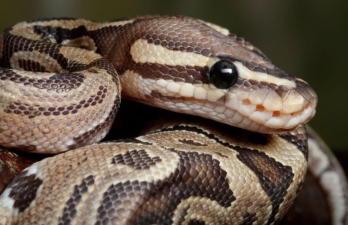
What It's Like to Own a Ball Python
Ball pythons have become one of the world's most popular pet snakes. They are docile, moderately sized, and relatively easy to care for, making them a favorite among both novice and experienced reptile enthusiasts. While many are drawn to their beautiful patterns and gentle nature, keeping a ball python is quite different from keeping a cat or dog. They have unique needs regarding their environment, diet, and behavior, which every potential owner should understand before bringing one home. Although ball pythons are generally considered easy pets, they still require careful attention to temperature, humidity, enclosure setup, and long-term commitment. Their lifespan can exceed 20 years, meaning that keeping a ball python is a responsibility that lasts for decades. If you are considering bringing a ball python home, the following will introduce you to the daily life of living with one.
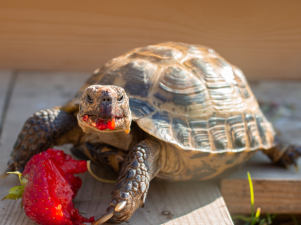
A Practical Guide to Keeping Pet Tortoises
Pet turtles have become increasingly popular in recent years, thanks to their unique appearance and adorable personalities, making them a common family member. As a low-maintenance pet, they are suitable for busy working professionals or first-time pet owners. However, it's essential to fully understand their habits before keeping one to avoid illness or death due to neglect. Compared to other pets, pet turtles require special care. This article provides a detailed guide to pet turtle care, helping you understand how to properly care for your little turtle friend.
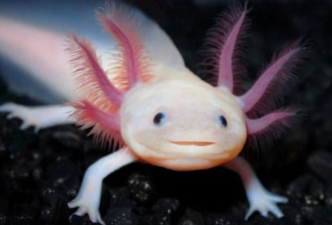
The Most Popular Exotic Pets and What Makes Them Unique
The allure of exotic pets lies in their stark contrast to traditional pets. From elegant reptiles to intelligent birds, from quiet small mammals to remarkably long-lived tortoises, each exotic pet boasts its own lifestyle and unique personality. In recent years, as people's understanding of animals has deepened, exotic pet culture has gradually evolved from a niche interest into a new choice for many families. However, "popularity" doesn't equate to ease of care. Each exotic pet has different environmental needs, dietary habits, and behavioral characteristics. Therefore, understanding their true personality is more important than simply being attracted by their appearance before deciding to keep one. Below are some of the most popular exotic pets globally, each with its own unique charm.
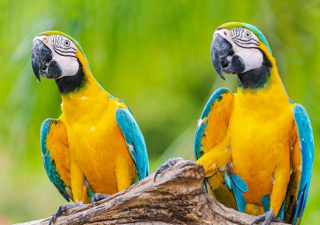
The Exotic Pets That Are Gaining Popularity Around the World
In today's increasingly popular pet culture, traditional cats and dogs are no longer the only pet choices for young people. Now, hamsters, geckos, spiders, and other "desktop exotic pets" are becoming new choices for young people to find emotional support and social interaction, thanks to their unique charm. From the therapeutic hamster to geckos, lizards, and even spiders and snakes—alternative "cold-blooded pets"—they are becoming emotional support and new social symbols for young people due to their low cost, high companionship, and strong sharing characteristics. Exotic pets are short for exotic or unusual pets, referring to wild animals from other regions that are kept as pets for enjoyment and economic purposes, distinct from traditional cats and dogs. These include invertebrates such as insects, as well as vertebrates such as birds, mammals, amphibians, and reptiles.
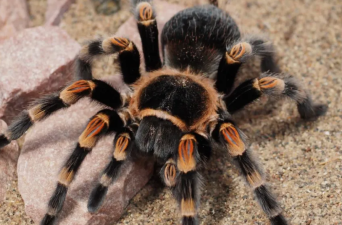
Common Mistakes New Exotic Pet Owners Make
Owning an exotic pet for the first time is always full of anticipation. From carefully selecting a terrarium to setting up the environment and buying supplies, every step is exciting. However, the biggest difference between exotic pets and cats and dogs lies in their more unique living habits. Many care methods cannot be judged by experience alone but require prior learning. Many new owners aren't lacking in care, but rather, they unintentionally make seemingly insignificant mistakes that can affect their health or even endanger their lives because they don't understand the animal's true needs. In fact, most problems with exotic pets are not due to their difficulty in being cared for, but rather because owners lack sufficient understanding of their living environment, diet, and behavior. Fortunately, most of these mistakes can be avoided. By acquiring the correct care knowledge beforehand, you can avoid many detours and help your pet adapt to its new home more quickly.
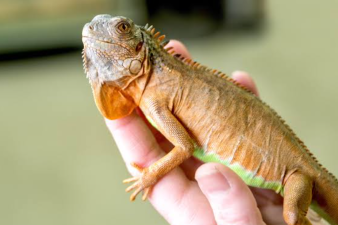
What You Should Know Before Getting an Exotic Pet
Exotic pets have become increasingly popular in recent years. From ball pythons, leopard geckos, and sugar gliders to hedgehogs, tortoises, and large parrots, these animals, distinct from traditional cats and dogs, have attracted a growing number of enthusiasts with their unique appearances and behaviors. On social media, their cute and playful side is frequently seen, with many videos even suggesting they are easy to care for and make exceptional family companions. However, many people only realize the reality after actually owning one that it's not entirely the same as what's portrayed online. In fact, most exotic pets have very specific needs. They require specific temperatures, humidity levels, diets, and living environments, and some even require treatment from a specialized exotic veterinarian. Compared to cats and dogs, they typically don't express emotions proactively and don't adapt to new home environments quickly, requiring owners to invest more time in learning about them. Owning an exotic pet isn't about chasing novelty; it's a responsibility that may last for decades. Understanding their true needs before making a decision is far more important than the purchase itself.

The Pros and Cons of Owning an Exotic Pet
Exotic pets have gained increasing attention in recent years. From ball pythons, leopard geckos, and hedgehogs to sugar gliders, tortoises, and large parrots, more and more people are trying to keep these animals that differ from traditional cats and dogs. Their unique appearance, mysterious behavior, and relatively niche pet culture have sparked considerable interest. However, exotic pets are not simply "upgraded pets"; they simply have completely different lifestyles and needs. Many people see the cute side of exotic pets on social media and are inspired to keep one, but they overlook the time, knowledge, and responsibility that come with it. In fact, every exotic pet has its own advantages and challenges that ordinary pets don't present. Instead of focusing solely on whether they are special, it's more important to fully understand what it truly means to own an exotic pet.